

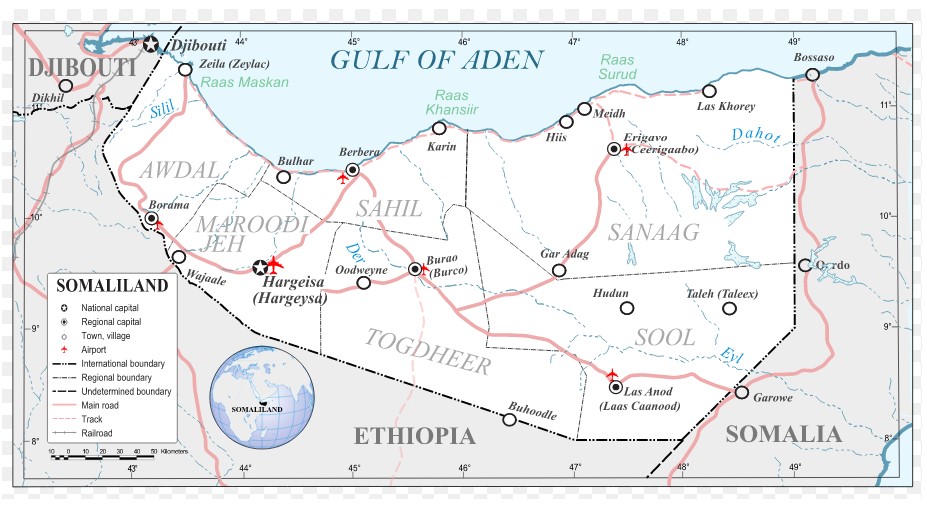
The Republic of Somaliland is a self-declared sovereign state in the Horn of Africa, sharing borders with the Republic of Djibouti, the Federal Republic of Ethiopia, and the Federal Republic of Somalia. It is not an internationally recognized country, though it functions as one. The former British Somaliland Protectorate achieved independence from the United Kingdom in 1960 and subsequently united with Italian Somalia to form the Somali Republic. Somaliland reclaimed its independence in 1991, following the collapse of the central government in Somalia.
Since then, Somaliland has built a democratic system of government and maintained a secure and stable nation in a volatile region. It has successfully deterred terrorists and pirates and has a growing economy.
Somaliland's population is relatively young, with a large percentage under the age of 30, which provides a growing workforce. The nation hosts numerous colleges and universities, producing thousands of graduates each year. This is a testament to the country's commitment to education and human capital development.
The nation's thriving private sector is a major driver of economic growth. Unlike many other economies, the government's role in the GDP is limited, fostering a culture of entrepreneurship and innovation. The services sector is robust and includes indigenous international airlines and a highly competitive telecommunications industry.
1887
Britain declares a protectorate over Somaliland.
June 26, 1960
Somaliland gains its independence from Britain.
July 1, 1960
Somaliland unites with Italian-administered Somalia.
May 18, 1991
Somaliland reasserts its sovereignty and declares independence.
May 18, 1991
Abdirahman Ahmed Ali Tuur becomes the first President.
May 1993
Clan leaders elect Mohamed Ibrahim Egal as President.
May 31, 2001
Somaliland holds a national referendum, with 97.1% voting for independence.
April 14, 2003
Dahir Rayale Kahin wins the presidential elections, becoming the 3rd President.
September 29, 2005
Somaliland holds its first multiparty parliamentary elections.
June 26, 2010
Ahmed Mohamed Silanyo wins the presidential elections.
November 13, 2017
Muse Bihi Abdi wins the presidential elections.
November 13, 2024
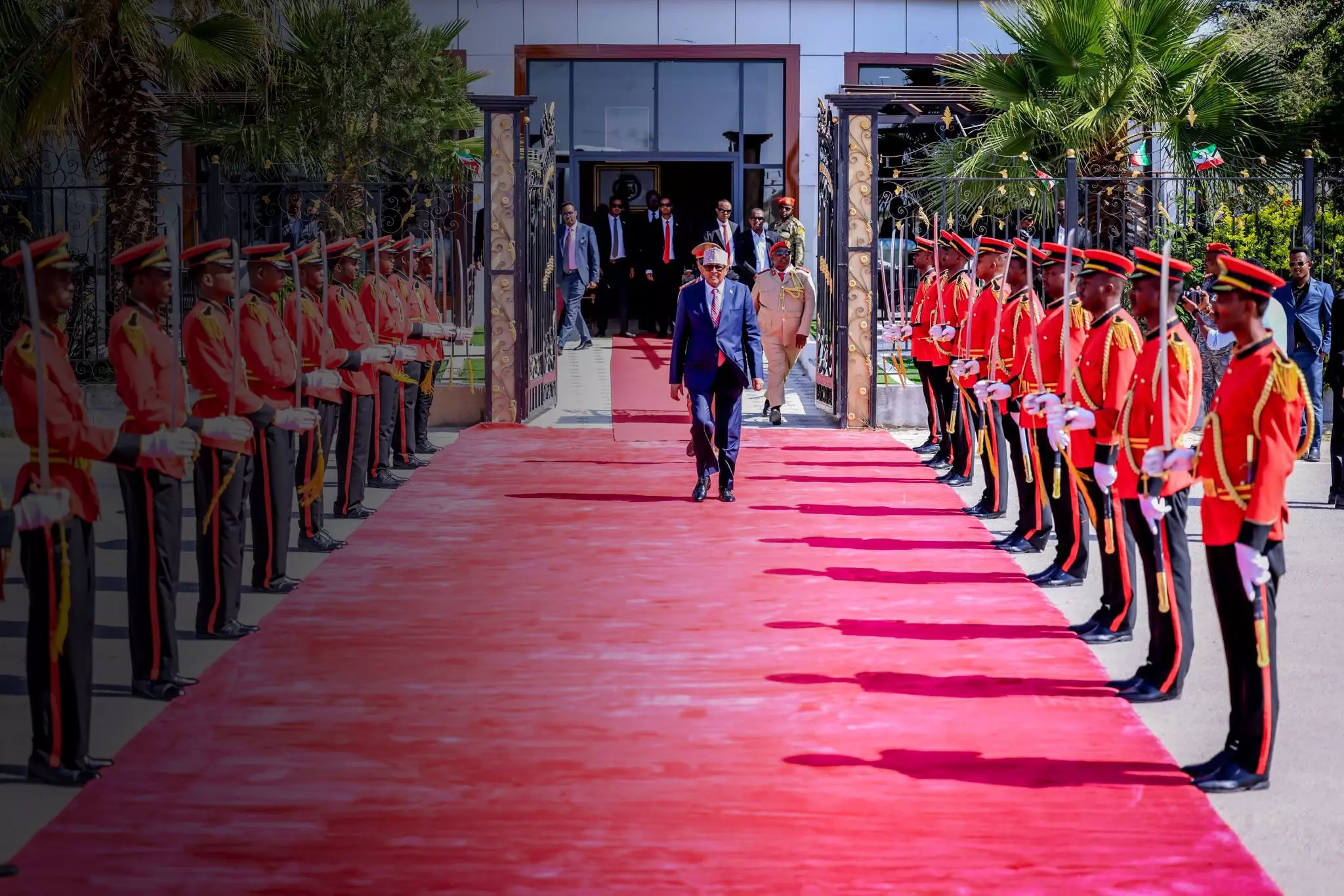
Abdirahman Mohamed Abdullahi is elected as the 6th President.
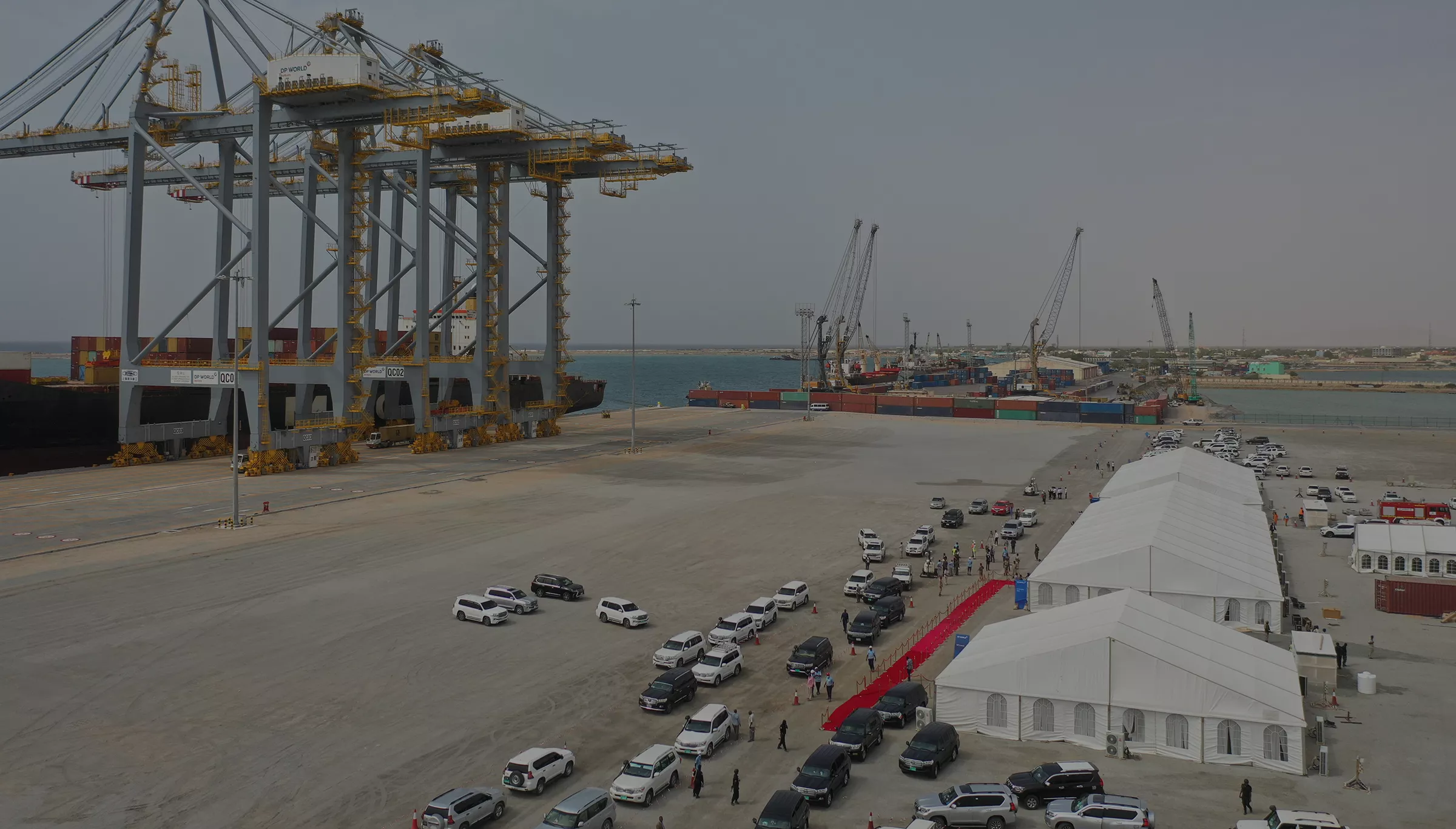
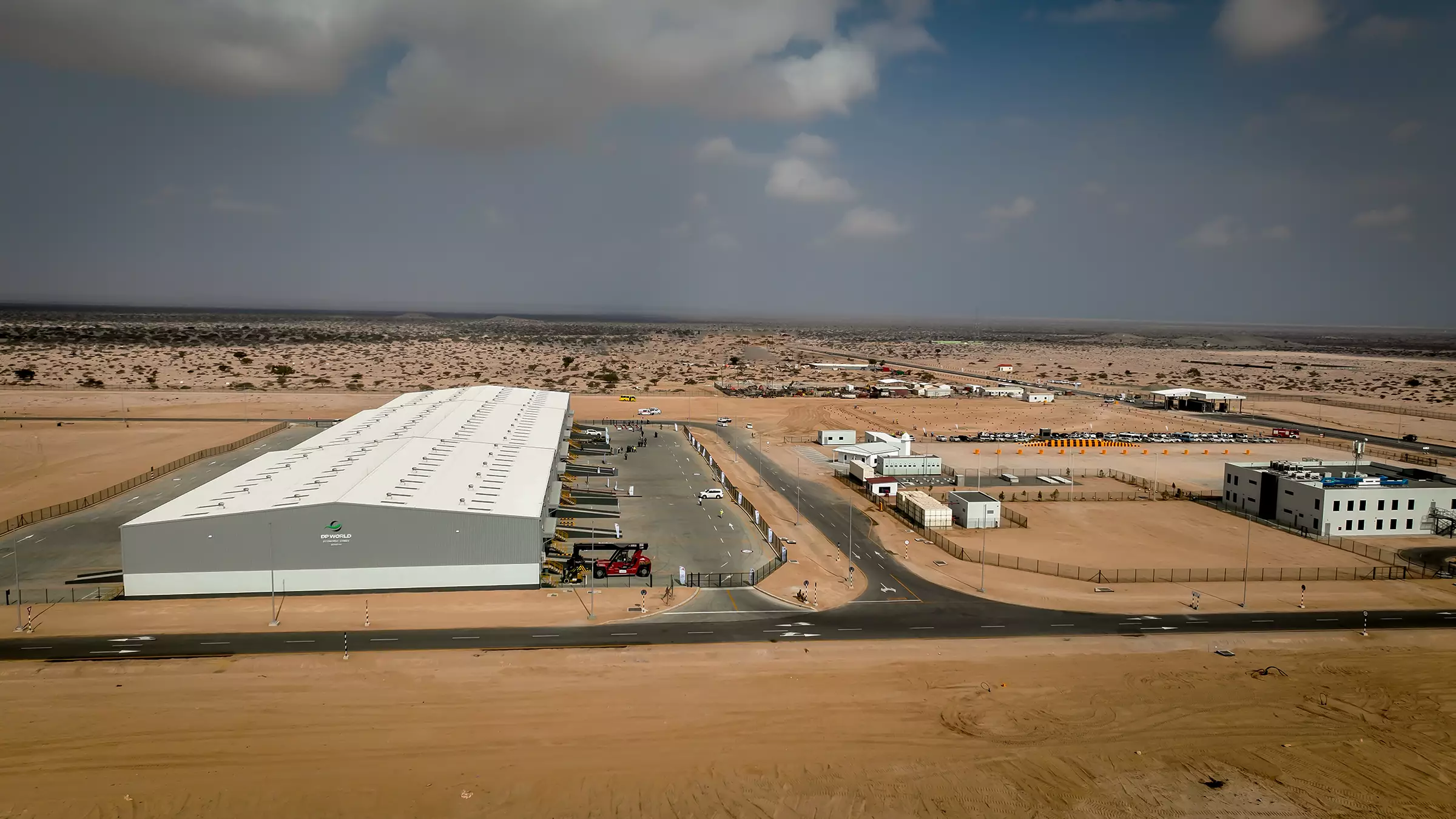
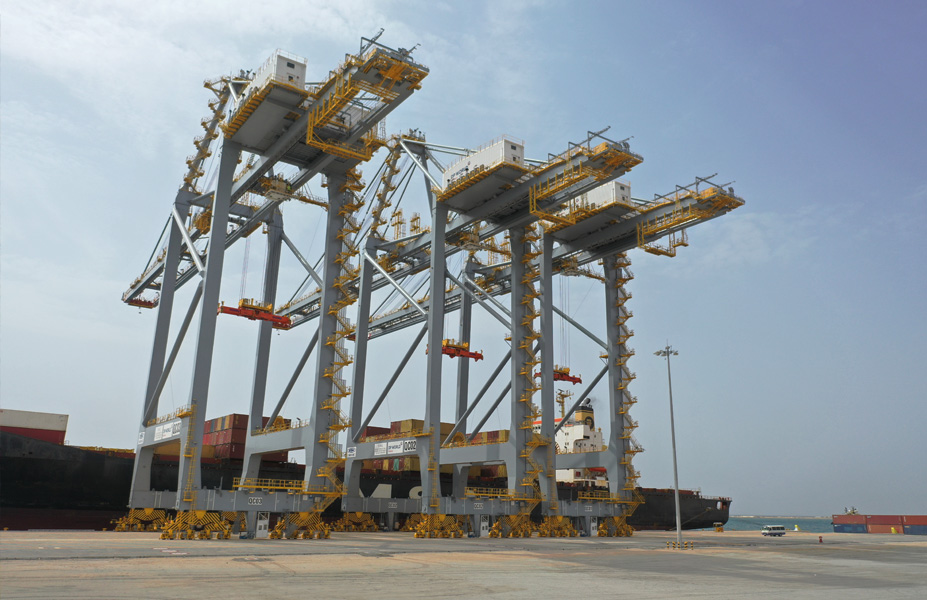
Somaliland is an emerging trade and shipping hub, strategically located near the Bab al-Mandeb strait, a major sea lane through which a significant portion of the world’s shipping passes. The Port of Berbera, managed by a multinational company, has been significantly upgraded and is becoming a key regional trans-shipment hub. Efforts are ongoing to complete the Berbera Corridor, a road linking the port to Ethiopia, which is a landlocked nation with a massive population. This corridor is expected to facilitate trade and stimulate economic growth throughout the region.
The livestock sector is the backbone of Somaliland's economy, with exports to Gulf Arab markets, including Saudi Arabia, the United Arab Emirates, and Oman. Somaliland is also capitalizing on other natural resources, including proven reserves of iron, manganese, and coal, and has seen increased interest in oil and gas exploration.
Somaliland has earned a reputation for being a highly stable, democratic entity with a strong rule of law. It is seen as a reliable partner for expanding commercial relations in the Horn of Africa. The nation holds regular presidential, parliamentary, and local elections, which are generally considered fair and transparent. This political stability, coupled with its strategic location, makes it increasingly attractive to international investors.
Official Name: Republic of Somaliland
Population: 5.7 million
Capital City: Hargeisa
Major Cities: Berbera, Borama, Burao, Las'anood, Erigavo
Main Port: Berbera
Coastline Length: 850 kmPresident: H.E. Abdirahman Mohamed Abdullahi (Irro)
Vice President: H.E. Mohamed Aw-Ali Abdi
Government System: Democratic, Presidential, Multi-Party
Geographic Location: Horn of Africa
Surface Area: 177,000 sq. km
Currency: Somaliland Shilling (SLSH)
Religion: Sunni Islam
Languages: Somali (official), English and Arabic (widely spoken)
Climate: Predominantly arid with seasonal wet and dry conditions
Driving Side: Right
Country Code: +252
Date Format: DD/MM/YYYY (AD)
Time Zone: UTC/GMT +3